
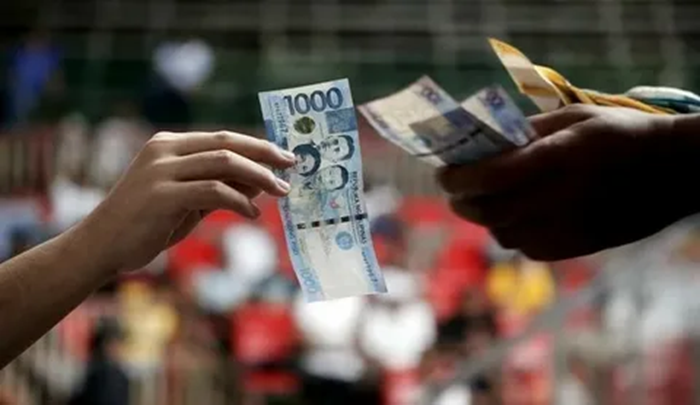
The country’s financial system is based on banking. The Philippines’ financial system is generally quite developed: it ranked 64th (out of 141) in the 2019 Global Competitiveness Index report.
The Central Bank of the Philippines (BSP; 1993, headquartered in Manila) oversees and supervises the credit and financial system.
There are 506 banks and nearly 13,000 branches in the country (2021). There are 3 state-owned banks: the Development Bank of the Philippines (DBP), the Land Bank of the Philippines (LBP), and the Al-Amanah Islamic Investment Bank of the Philippines (AAIIBP; an Islamic bank). The total assets of state-owned banks account for 14.2% of the total banking sector assets (2018). There are 24 foreign banks operating in the country (2022).
The total assets of the banking sector exceed 126% of the total GDP (2019). Commercial banks predominate – 91% of all assets of the banking system (2018); assets of savings, agricultural/cooperative and other banks are significantly smaller – 7%, 1% and 1%, respectively. The largest commercial banks (assets over 1 trillion pesos; September 2021): BDO Unibank (1968; 3.5), Land Bank of the Philippines (LBP; 1963; 2.6), Metropolitan Bank & TCO (1962; 2.2), Bank of the Philippine Islands (1851; 2.1), Philippine National Bank (1916; 1.2), Development Bank of the Philippines (DBP; 1946; 1.2). The head offices of all these banks are located in Manila.
The only exchange operating in the country is the Philippine Stock Exchange (PSE; headquartered in Tatig). The exchange is considered one of the oldest in Asia: taking into account previous organizational and legal forms, its history dates back to 1927, but the current Philippine Stock Exchange was created in 1992 as a result of the merger of the Manila Stock Exchange and the Makati Stock Exchange. There are 289 companies listed on the exchange (2023; 265 in 2016).